From dawn till dusk: Time-adaptive bayesian optimization for neurostimulation.



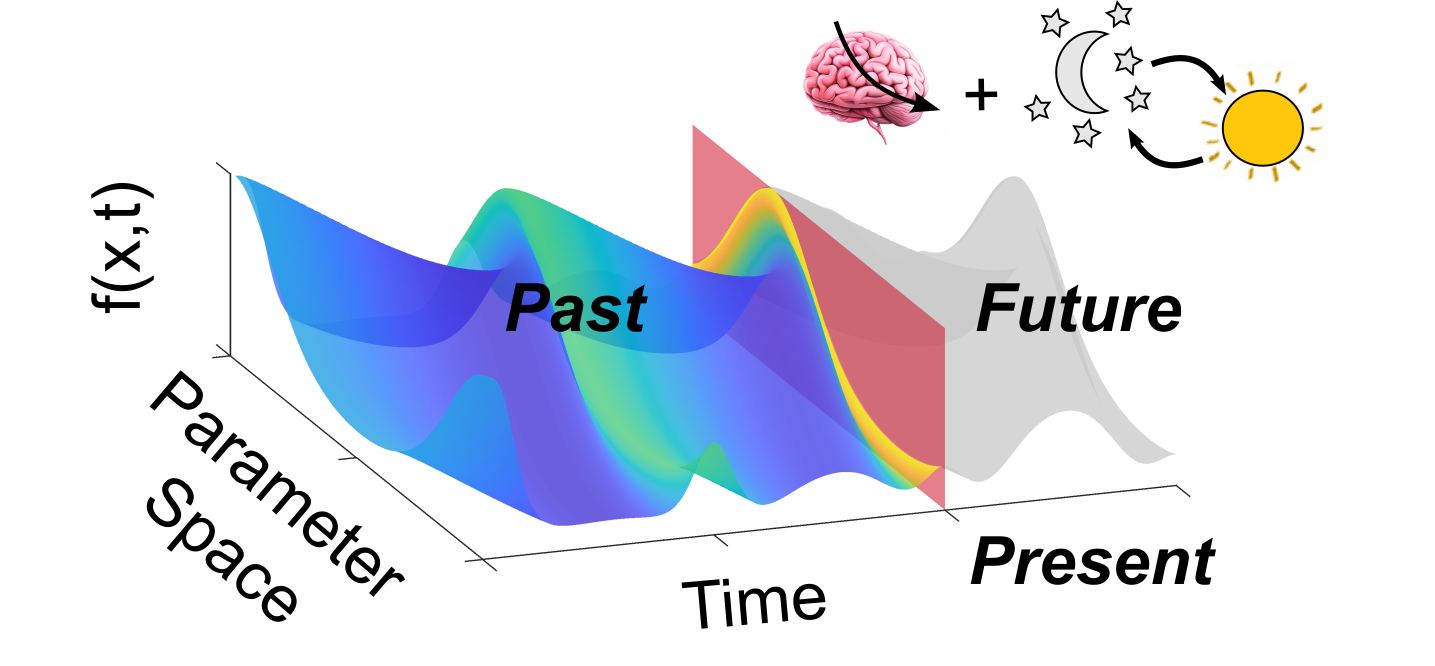
Optimization of neuromodulation therapies has garnered considerable interest in recent years. To date, proposed optimization strategies do not consider the influence of time-dependent factors on therapy efficacy. Here, we present a Bayesian optimization approach that incorporates knowledge of time-dependent variations, e.g. variations due to biological rhythmicity and/or disease progression, to maintain optimal stimulation parameters overtime.
Scientific Abstract
Similar content
Modulation of motor cortical theta and gamma oscillations using phase-targeted, closed-loop optogenetic stimulation of local excitatory and inhibitory neurons.
A clinical grade neurostimulation implant for hierarchical control of physiological activity
Influence of time of day on resting motor threshold in clinical TMS practice
Cortical signatures of sleep are altered following effective deep brain stimulation for depression
Citation
DOI
Free Full Text at Europe PMC
PMC10718444Downloads
From dawn till dusk: Time-adaptive bayesian optimization for neurostimulation.
Optimization of neuromodulation therapies has garnered considerable interest in recent years. To date, proposed optimization strategies do not consider the influence of time-dependent factors on therapy efficacy. Here, we present a Bayesian optimization approach that incorporates knowledge of time-dependent variations, e.g. variations due to biological rhythmicity and/or disease progression, to maintain optimal stimulation parameters overtime.
Scientific Abstract
Citation
DOI
Free Full Text at Europe PMC
PMC10718444Downloads