Dr Jeffrey Stedehouder awarded Cambridge NeuroWorks Blue Sky Proof-of-Concept Award

16 September 2026

Many congratulations to MRC CoRE RND Postdoctoral Fellow Dr. Jeffrey Stedehouder on being awarded a Blue Sky Proof-of-Concept Award by Cambridge NeuroWorks.

Through the Award, Jeffrey will study the use of precise transcranial ultrasound stimulation as a tool to target difficult-to-treat cognitive symptoms in people with schizophrenia. Schizophrenia is a psychiatric disorder with a high prevalence globally, regardless of continent, country, or culture. People with schizophrenia can have problems in thinking and memory, symptoms that are often not alleviated by medications. Preclinical research in the MRC CoRE RND has shown that a single region deep in the brain could play a key role in these symptoms. The new technique of transcranial ultrasound stimulation – high frequency sound waves delivered from outside the skull – could target this particular brain region safely and precisely, making it a promising candidate to improve cognitive functioning in people with schizophrenia.

The project team includes MRC CoRE RND members Dr. Valentina Mancini, Tim den Boer, and Prof. Charlotte Stagg.

Jeffrey commented: “Cognitive symptoms in schizophrenia are a major unmet need, with people with schizophrenia facing important challenges in everyday life. The combined research in the MRC CoRE RND using preclinical disease models along with technological advances in non-invasive brain stimulation in humans has now enabled, for the first time, a direct informed approach to target these symptoms.” MRC CoRE RND Director Professor Peter Magill commented: “The effective translation of new knowledge gained through fundamental discovery science lies at the heart of the MRC CoRE RND’s research and innovation strategy. Jeff and the team deserve much credit for identifying and taking this important opportunity to advance their translational research towards new and improved treatments for psychiatric brain conditions.”
Image
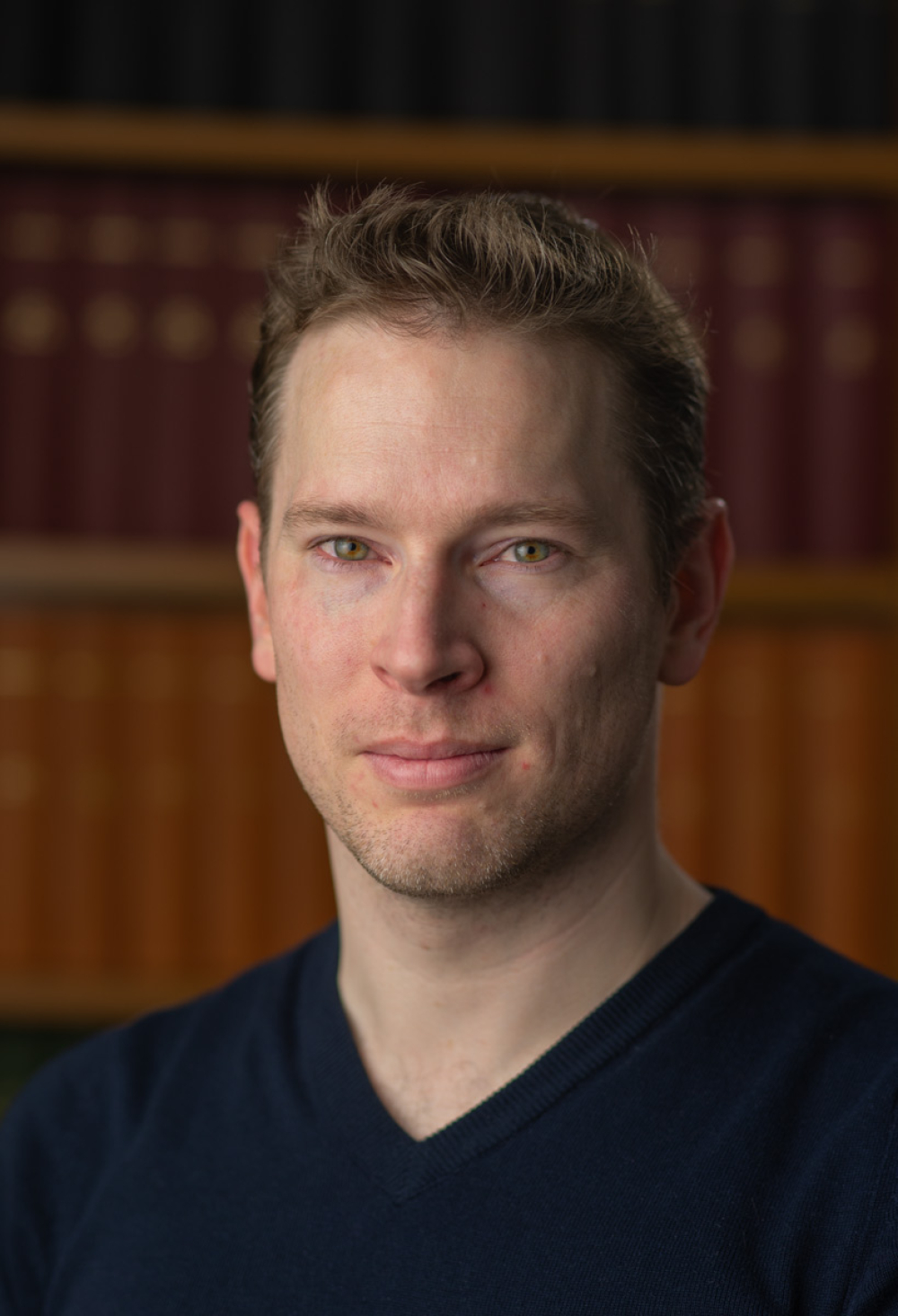
portrait photo of Jeffery Stedehouder

Emerging Research Day 2026

2 July 2026

The MRC Centre of Research Excellence in Restorative Neural Dynamics held its first annual Emerging Research Day on 2nd July 2026 at the Blavatnik School of Government in Oxford.

The event brought together researchers and stakeholders from across the Centre’s component research organisations, and from industry and charity partners to share emerging findings, exchange ideas and strengthen collaboration. With presentations and poster sessions spanning fundamental neuroscience, human studies, computational approaches and neurotechnology, the day showcased the breadth of expertise that has been assembled to tackle the MRC CoRE’s Challenge.

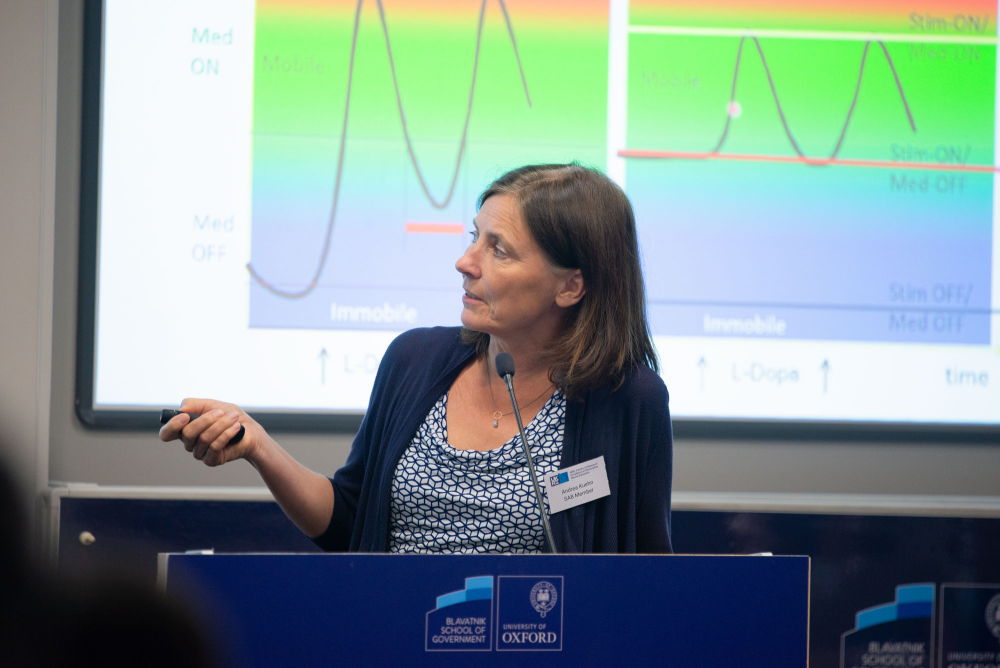
A keynote lecture from Professor Andrea Kühn of Charité-Universitätsmedizin Berlin (and a member of the MRC CoRE’s Independent Strategic Advisory Board) reflected on the development of deep brain stimulation for Parkinson’s Disease, from fundamental insights into abnormal brain rhythms to adaptive therapies that respond to ongoing brain activity. Her talk provided a fitting perspective on the Centre’s ambition to build on these advances and develop the next generation of more precise, responsive and effective neurotechnologies.

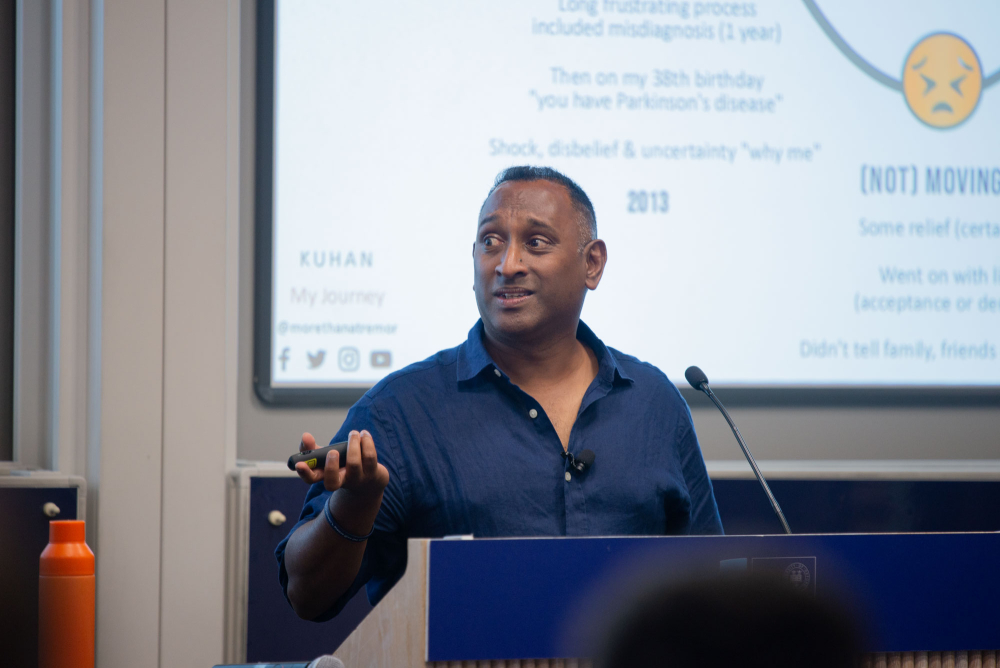
The scientific programme concluded with Kuhan Pushparatnam, a member of the MRC CoRE’s Patient and Public Advisory Group and host of “2 Parkies in a Pod: a Parkinson’s Podcast” offering insights into his personal journey with Parkinson’s Disease.

Image
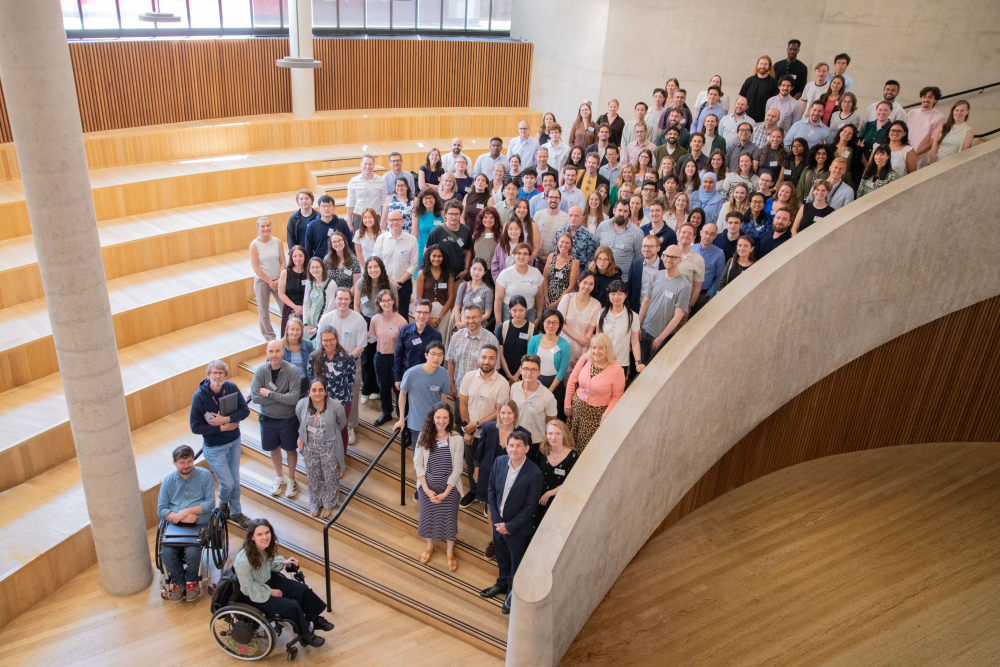
a large group of people in a modern building, on a curved staircase
Individuals from across the MRC CoRE come together for the first Emerging Research Day.
Image
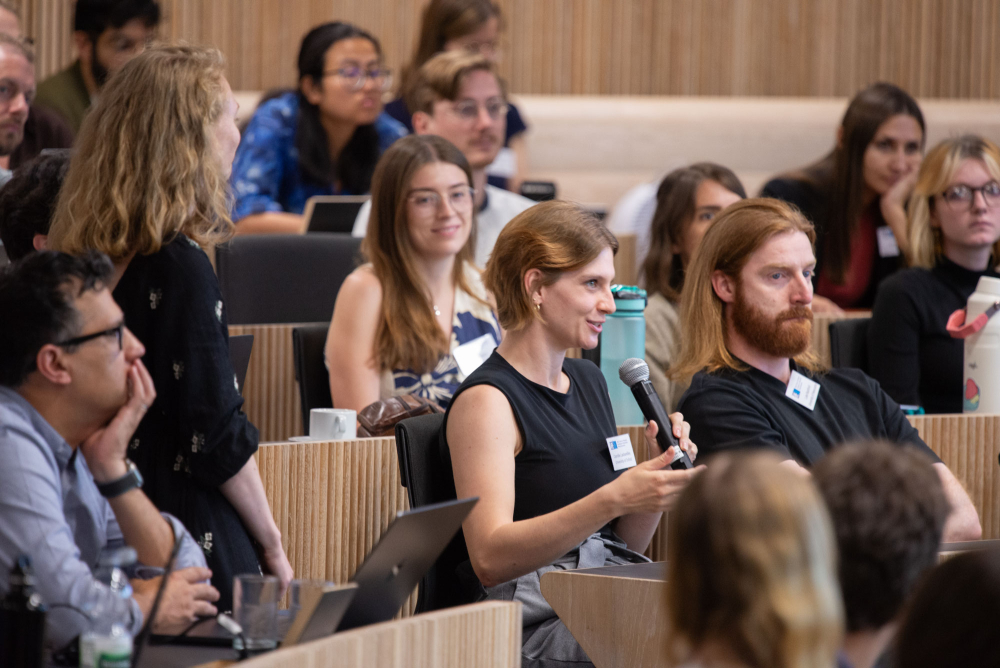
a person in the audience holds a microphone
Discussion and exchange of ideas were at the heart of the first MRC CoRE Emerging Research Day.
Image
a presenter in front of slides, uses a laser pointer
Professor Andrea Kühn shares historic perspectives on the development of closed-loop DBS, and looks to the future of adaptive DBS
Image
A person addresses the audience
Kuhan Pushparatnam shares his personal journey with Parkinson’s, bringing a valuable lived experience perspective.
Image
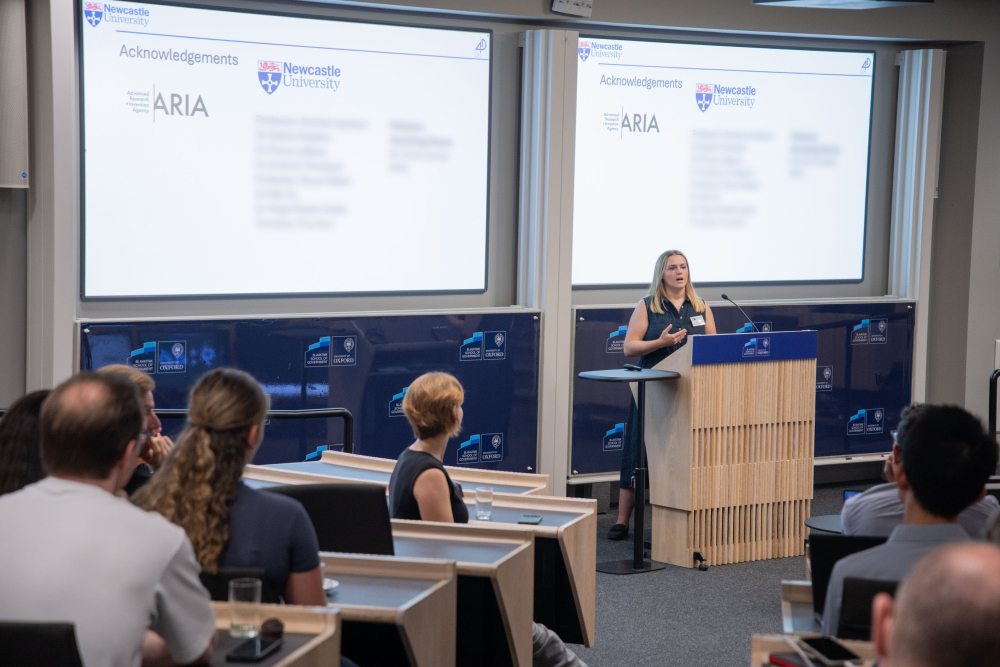
A researcher presents to the audience
Dr Bethany Dennis (Newcastle University) presents her research on precision control of cortical circuits across species.
Image
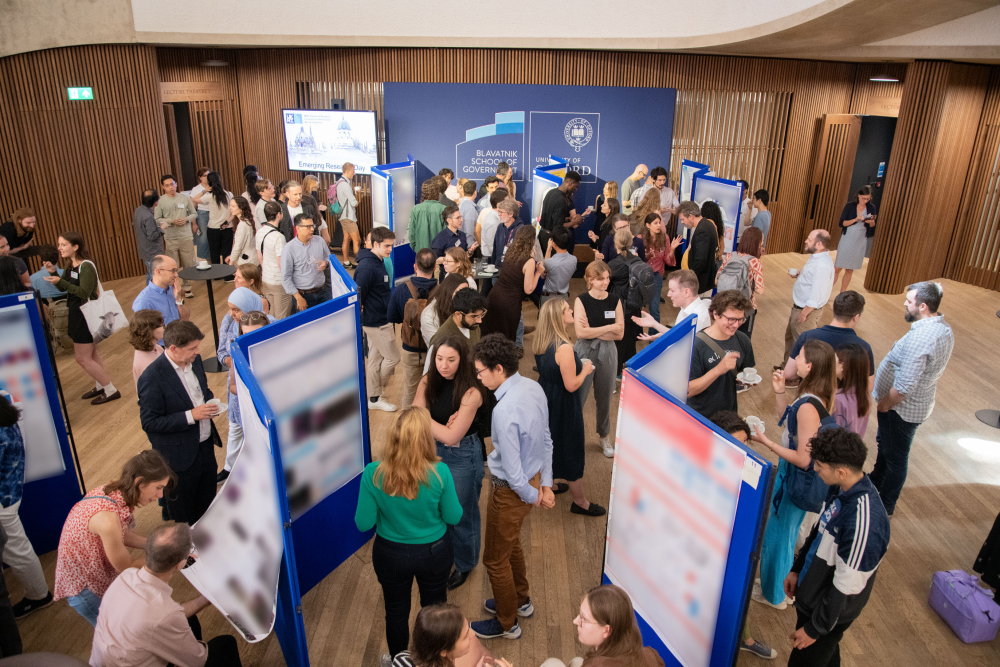
people standing around poster boards, discussing the posters
Researchers share emerging findings and exchange ideas during the poster sessions.
Image
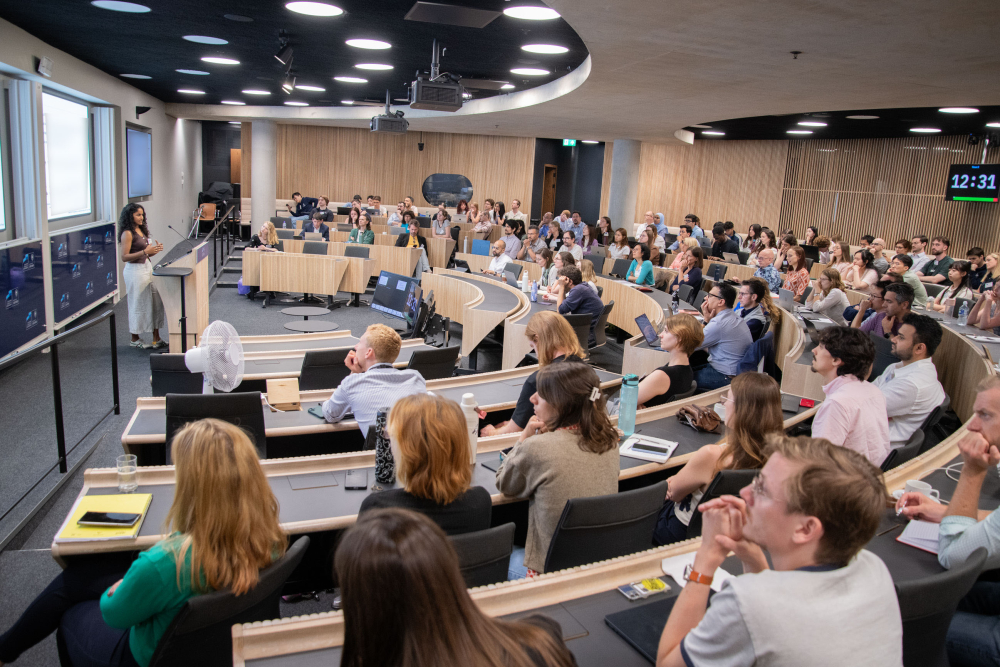
a lecture theatre full of people
Sumedha Nalluru (University of Oxford) presents her research on the brain mechanisms underlying memory and false associations.

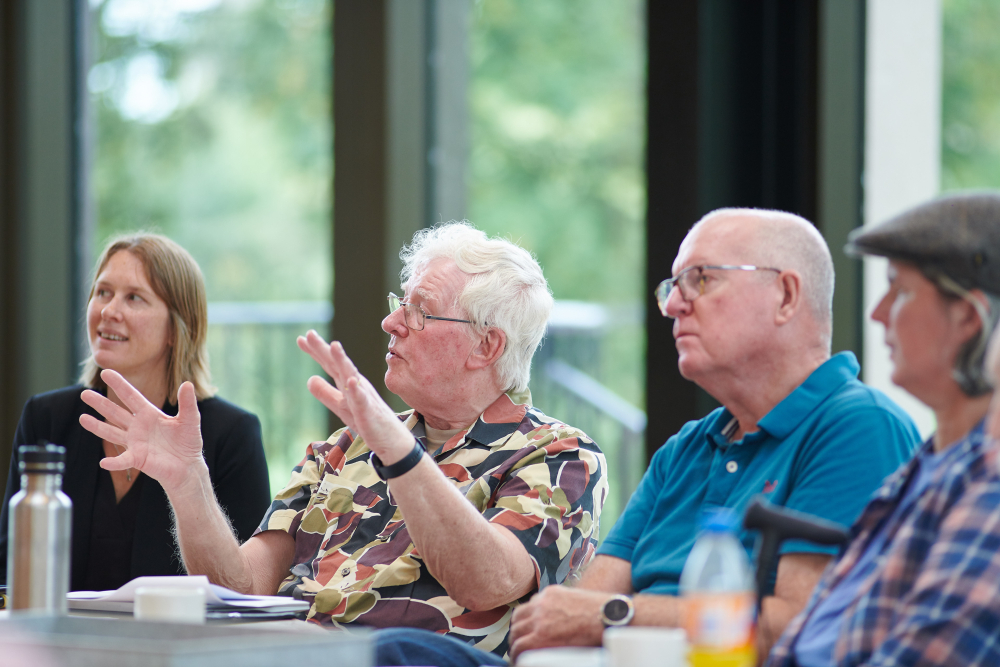
Patient and Public Advisory Group meeting June 2026

12 June 2026

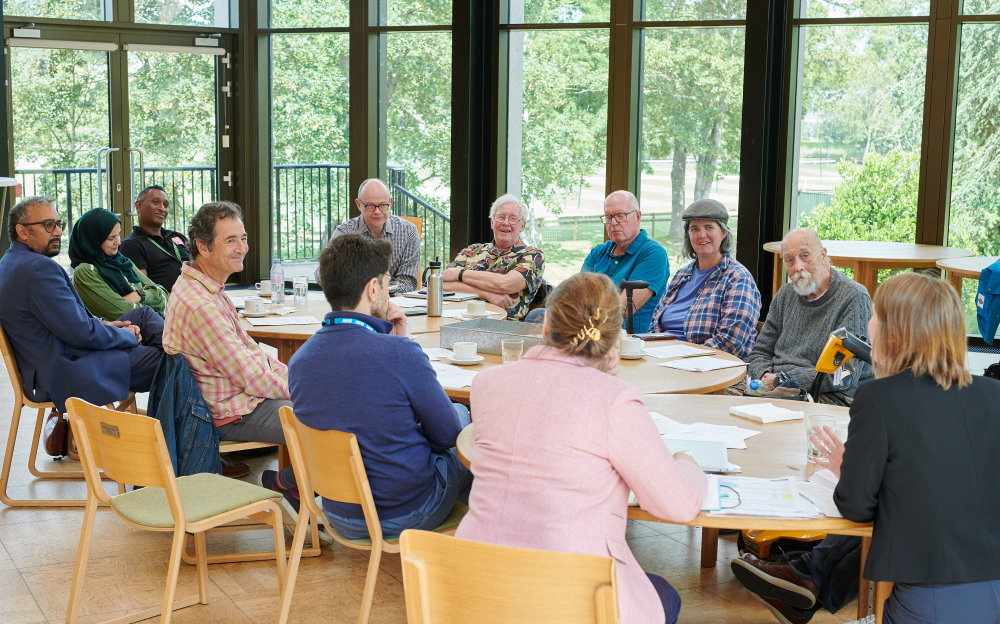
The MRC CoRE RND Patient and Public Advisory Group (PPAG) met in June 2026 for the first time since the MRC CoRE was established. The group brings together researchers with individuals who have experience as patients and carers across a range of neurological conditions including Parkinson’s Disease, dementia, and stroke. The meeting marked an important opportunity to strengthen these relationships and ensure that diverse patient and public perspectives are embedded in the MRC CoRE’s research and innovation priorities from the outset.

A key focus of the meeting was the MRC CoRE’s plans for Patient and Public Involvement, with PPAG members discussing the different ways they could contribute to research, from providing feedback on research proposals and helping to make patient-facing materials accessible, to supporting the public dissemination of research findings. Members also discussed plans to establish additional condition-specific groups. These groups would provide more focused input on research relating to particular conditions, allowing researchers to explore specific issues in greater depth and ensuring that individual projects reflect the priorities of the people most directly affected.

More broadly, the group shared their views on how the PPAG should work in practice. Discussions covered the frequency and length of meetings, how to ensure an appropriate balance between in-person and online participation and how much pre-reading would be appropriate. Members also highlighted the importance of making meetings accessible and of ensuring that everyone had the information and support they need to participate fully. 

This feedback will help shape how the group develops and ensures that everyone has an equal opportunity to contribute to the MRC CoRE’s research.

Image
a photo of the whole group around a table
Image
a seated person writing
Image
a person smiling
Image
a person speaking, using their hands for emphasis
Image
A symboilic diagram formed of three cogs- the first containing quote marks in speech bubbles, the middle one made up of arms holding on to each other, and the last featuring a human brain and brainwaves.

Abhinav Sharma awarded CBR-UK DRI Fellowship

13 May 2026

Many congratulations to MRC CoRE postdoctoral neuroscientist Dr. Abhinav Sharma on being awarded a Centre for Brain Research (CBR) - UK Dementia Research Institute (UK DRI) Fellowship.

Based at the CBR and including a mobility component to support research visits to UK DRI Centres, Abhinav’s Fellowship programme aims to develop scalable tools for early detection and monitoring of cognitive decline and dementia risk in India and the UK. It will combine EEG brain recordings, blood biomarkers, and interpretable artificial intelligence to track cognitive vulnerability and resilience in ageing populations. The work is motivated by India’s growing burden of dementia and metabolic disease – a challenge that CBR is uniquely positioned to address. Its scientific and clinical relevance also extends to the UK where innovative approaches to monitoring brain health are in high demand.

The Fellowship includes a cross-institutional mentorship arrangement spanning the CBR at the Indian Institute of Science, the UK DRI, and the MRC CoRE at the University of Oxford. Abhinav will be mentored at the MRC CoRE by Professor Peter Magill and Associate Professor Ashwini Oswal, while the UK DRI mentorship will be provided by Dr Nir Grossman at Imperial College London.

Abhinav commented: “This fellowship is an ideal opportunity for me to help build scalable, biologically grounded tools for cognitive healthcare in real-world settings in India, while also generating insights that are highly relevant to ageing and dementia research in the UK. I am especially excited by the prospect of leveraging my cross-institutional mentoring to strengthen collaborations between CBR, UK DRI and Oxford across neural dynamics, biomarkers, cognitive ageing, and translational neurotechnology. I am grateful to all the senior leaders and mentors for supporting my work and for providing me this opportunity.”

CBR Director Professor K.V.S. Hari commented: “The CBR-UK DRI Postdoctoral Fellowship is part of CBR’s broader efforts to promote international partnerships in aging brain research, and we are pleased to welcome Abhinav to this programme. His focus on building scalable tools for cognitive health in India is precisely the kind of research this Fellowship was designed to nurture. We firmly believe that his contributions will further strengthen the collaborative ties between CBR and UK DRI.”

Professor Siddharthan Chandran, Director and CEO, UK DRI, said: “This Fellowship reflects the immense potential of UK-India scientific partnership to address some of the most pressing challenges in brain health. By combining clinical insight, technological innovation, and collaborative research across our institutions, Abhinav’s work exemplifies globally connected data driven science that will shape the future of dementia research and care.”

MRC CoRE Director Peter Magill commented: “We are delighted for Abhinav. This Fellowship is richly deserved. Abhinav is an outstanding researcher, and a valued colleague and collaborator. We look forward to supporting Abhinav to realise his research ambitions.”

Image
Portrait of Dr Abhinav Sharma