


About the symposium
The UK Symposium on Neuromodulation and Neurotechnology is a national meeting at the forefront of brain science and innovation, bringing together researchers, clinicians, engineers, and industry leaders shaping the future of neurotechnology.
This two-day symposium will highlight the breadth and ambition of work taking place across the UK. The programme is designed to connect disciplines, spark collaboration, and accelerate translation from laboratory to patient.
The meeting will provide a unique platform to engage with the latest advances in neuromodulation and neurotechnology, and to explore how these approaches are redefining the treatment of neurological and mental health disorders.
Scientific & Clinical Impact
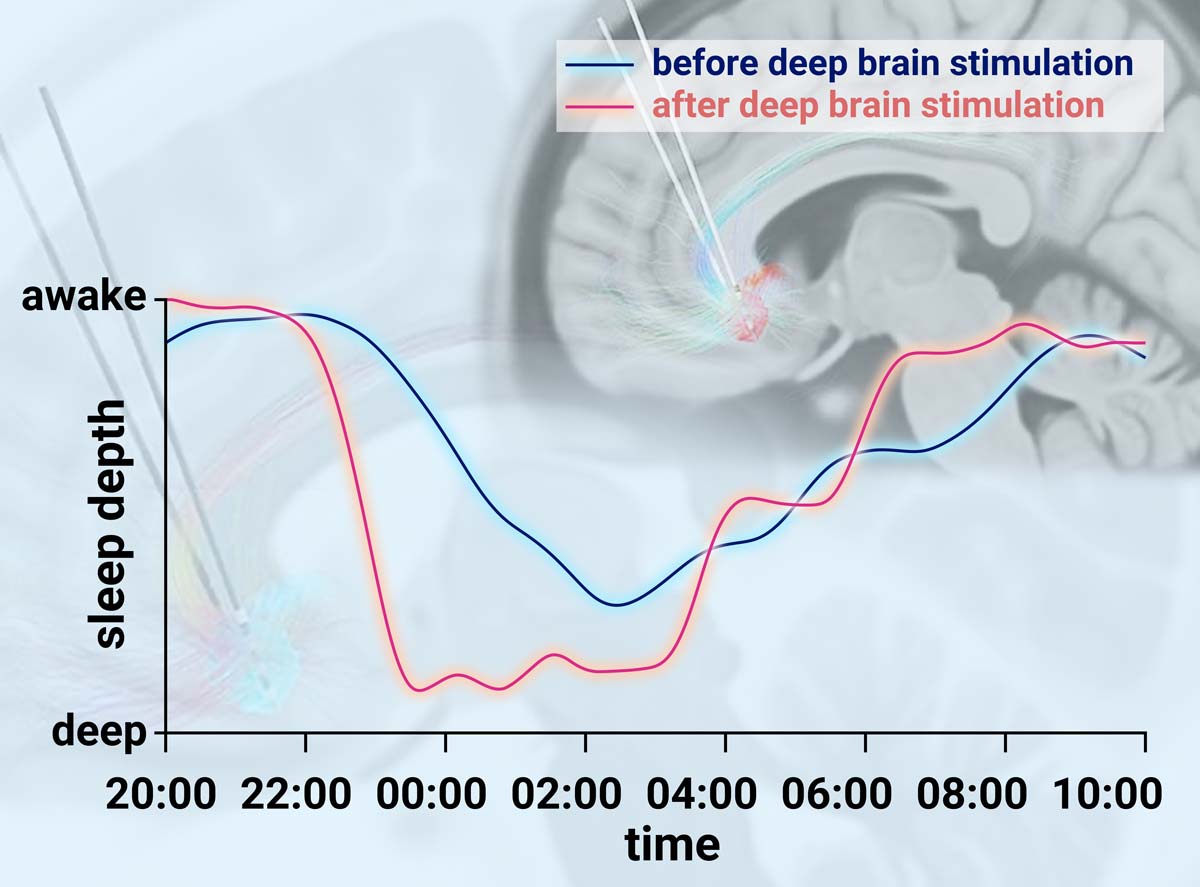
New insights into brain function, and mechanisms of modulation. Translating discovery into therapies that improve health.
Technology & Innovation
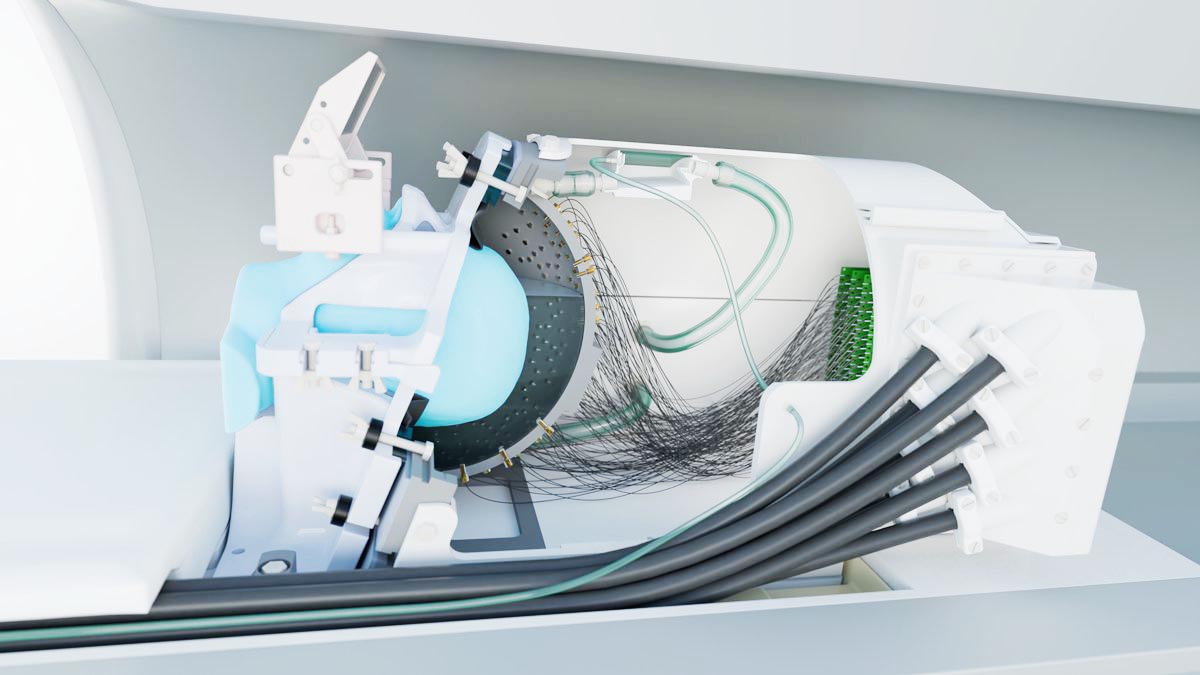
Emerging devices, materials, and scalable neurotechnology platforms. Commercialisation of novel approaches.
Trust & Governance

Consideration of regulation, ethics and data privacy across the spectrum of neurotechnology development.
Programme
The programme will run from 09:30 on Tuesday 15th December to 16:00 on Wednesday 16th December.
Day 1: Tuesday 15 December
| Time | Activity | Speaker |
|---|---|---|
| 08.30 - 09.30 | Arrival and refreshments | |
| 09.30 - 09.4010 min | Welcome address | Prof Andrew Sharott, University of Oxford |
| Session 1: Advances in neurotechnology for improving cognition and mental health(Prof Ines Ribeiro Violante, Prof Paul Shodbolt) | ||
| 09.40 - 10.0020 min | Home-Based tDCS for Depression: From Proof of Concept to a Large-Scale Multicentre Trial | Prof. Cynthia Fu (Kings College London) |
| 10.00 - 10.2020 min | Ultrasound neuromodulation of human deep brain circuits in affective decision-making | Prof. Miriam Klein-Flugge (University of Oxford) |
| 10.20 - 10.4020 min | Probe, Predict, Prevent: a new paradigm for neuromodulation in epilepsy | Prof. Mark Richardson (NeuroPulse) |
| 10.40 - 10.5515 min | Panel discussion | |
| 10.55 - 11.2530 min | Coffee & posters | |
| Session 2: Sensorimotor rehabilitation(Prof Tamar Makin, Prof Andrew Jackson) | ||
| 11.25 - 12.0540 min | Title TBC | Prof. John Krakauer (Centre for Restorative Neurotechnology at the Champalimaud Foundation) |
| 12.05 - 12.4540 min | Some thoughts on neural decoding | Prof. Juan Gallego (Centre for Restorative Neurotechnology at the Champalimaud Foundation/MRC CoRE RND) |
| 12.45 - 13.0015 min | Panel discussion | |
| 13.00 - 14.151 hour 15 min | Lunch & posters | |
| Session 3: Innovation in non-invasive and wearable technologies(Steve Jackson, Elsa Fouragnan) | ||
| 14.15 - 14.3520 min | Title TBC | Aimun Jamjoom (Queen Mary University) |
| 14.35 - 14.5520 min | Median nerve stimulation: mechanisms and therapeutic potential | Dr Mairi Houlgreave (University of Nottingham) |
| 14.55 - 15.1520 min | Focused Ultrasound against brain ageing | Dr Sophie Morse (Imperial College London) |
| 15.15 - 15.3015 min | Panel discussion | |
| 15.30 - 16.0030 min | Coffee & posters | |
| Session 4: Trust, ethics and governance in neurotechnology(SPRITE+ and Prof Andrew Sharott) | ||
| 16.00 - 16.1515 min | TBC | Rob McCombe (Information Commissioner's Office- Emerging Technology) |
| 16.15 - 16.3015 min | TBC | |
| 16.30 - 16.4515 min | TBC | |
| 16.45 - 17.0015 min | Panel discussion | |
| 17.00 - 17.3030 min | UK Neurotechnology Update: ARIA Scalable Neural Interfaces. | Dr Jacques Carolan |
| 17.30 - 17.355 min | Close | Prof Andrew Sharott (University of Oxford) |
Morning
| Time | Activity | Speaker |
|---|---|---|
| 08.30 - 09.30 | Arrival and refreshments | |
| 09.30 - 09.4010 min | Welcome address | Prof Andrew Sharott, University of Oxford |
| Session 1: Advances in neurotechnology for improving cognition and mental health(Prof Ines Ribeiro Violante, Prof Paul Shodbolt) | ||
| 09.40 - 10.0020 min | Home-Based tDCS for Depression: From Proof of Concept to a Large-Scale Multicentre Trial | Prof. Cynthia Fu (Kings College London) |
| 10.00 - 10.2020 min | Ultrasound neuromodulation of human deep brain circuits in affective decision-making | Prof. Miriam Klein-Flugge (University of Oxford) |
| 10.20 - 10.4020 min | Probe, Predict, Prevent: a new paradigm for neuromodulation in epilepsy | Prof. Mark Richardson (NeuroPulse) |
| 10.40 - 10.5515 min | Panel discussion | |
| 10.55 - 11.2530 min | Coffee & posters | |
| Session 2: Sensorimotor rehabilitation(Prof Tamar Makin, Prof Andrew Jackson) | ||
| 11.25 - 12.0540 min | Title TBC | Prof. John Krakauer (Centre for Restorative Neurotechnology at the Champalimaud Foundation) |
| 12.05 - 12.4540 min | Some thoughts on neural decoding | Prof. Juan Gallego (Centre for Restorative Neurotechnology at the Champalimaud Foundation/MRC CoRE RND) |
| 12.45 - 13.0015 min | Panel discussion | |
Afternoon
| Time | Activity | Speaker |
|---|---|---|
| 13.00 - 14.151 hour 15 min | Lunch & posters | |
| Session 3: Innovation in non-invasive and wearable technologies(Steve Jackson, Elsa Fouragnan) | ||
| 14.15 - 14.3520 min | Title TBC | Aimun Jamjoom (Queen Mary University) |
| 14.35 - 14.5520 min | Median nerve stimulation: mechanisms and therapeutic potential | Dr Mairi Houlgreave (University of Nottingham) |
| 14.55 - 15.1520 min | Focused Ultrasound against brain ageing | Dr Sophie Morse (Imperial College London) |
| 15.15 - 15.3015 min | Panel discussion | |
| 15.30 - 16.0030 min | Coffee & posters | |
| Session 4: Trust, ethics and governance in neurotechnology(SPRITE+ and Prof Andrew Sharott) | ||
| 16.00 - 16.1515 min | TBC | Rob McCombe (Information Commissioner's Office- Emerging Technology) |
| 16.15 - 16.3015 min | TBC | |
| 16.30 - 16.4515 min | TBC | |
| 16.45 - 17.0015 min | Panel discussion | |
| 17.00 - 17.3030 min | UK Neurotechnology Update: Aria Scalable Neural Interfaces | Dr Jacques Carolan |
| 17.30 - 17.355 min | Close | Prof Andrew Sharott (University of Oxford) |
Day 2: Wednesday 16 December
| Time | Activity | Speaker |
|---|---|---|
| 08.30 - 09.00 | Arrival and refreshments | |
| 09.00 - 09.055 min | Opening remarks | Prof Andrew Sharott, University of Oxford |
| 09.05 - 09.2015 min | UK Neurotechnology Update: The UK Network of Student Neurotechnology Societies | TBC |
| Session 5: Next generation neurotechnology(Keith Mathieson, Amparo Guemes Gonzalez) | ||
| 09.20 - 09.4020 min | Reconstructive and Ingestible Neural Interfaces for Functional Restoration | Prof Shriya Srinivasan (Harvard University) |
| 09.40 - 10.0020 min | State-Dependent Brain-Computer Interfaces: From Neural Decoding to Adaptive Closed-Loop Neurorehabilitation | Dr Vito De Feo (University of Essex) |
| 10.00 - 10.2020 min | Development of on-ear wearable devices to improve the accessibility of balance therapies | Dr Iwan Roberts (University of Cambridge) |
| 10.20 - 10.3515 min | Beyond the Prototype: Navigating the Gates of Neurotechnology Translation | Dr Firat Yazicioglu (Consultant/Advisor, Neurotech development) |
| 10.35 - 10.50 | Panel discussion | |
| 10.50 - 11.20 | Coffee & posters | |
| Session 6: Challenges in large-scale trials of neuromodulation(Prof Luke Bashford, Prof Marcus Kaiser) | ||
| 11.20 - 11.4020 min | Insights from the Percept Clinical Study | Dr Thomas Brionne (Brain Modulation Clinical Research, Medtronic) |
| 11.40 - 12.0020 min | What to expect from a CRO in Neurotechnology Clinical Trials | Dr Henry Fisher (Clerkenwell Health) |
| 12.00 - 12.2020 min | Best practices for preparing a clinical study application | Mark Grumbridge / Daniel Hill (MHRA) |
| 12.20 - 12.3515 min | Lived Experience Advocate. My experiences using DBS for chronic pain | Christopher Neale (Lived Experience Advocate) |
| 12.35 - 12.50 | Panel discussion | |
| 12.50 - 14.001 hour 10 min | Lunch & posters | |
| 14.00 - 14.4545 min | Convergence of DBS and BCI into a common device space (including Q&A) | Prof Tim Denison (MRC CoRE RND / University of Oxford) |
| Session 7: Commercialisation of Neurotechnology(Richard Phillips, ABHI / Cambridge Neuroworks) | ||
| 14.45 - 15.0520 min | Title TBC | Lou Jopling (Babraham Institute) |
| 15.05 - 15.2520 min | Title TBC | Emil Hewage (Bios) |
| 15.25 - 15.4520 min | Title TBC | TBC |
| 15.45 - 16.0015 min | Panel discussion | |
| 16.00 | Close | Prof Andrew Sharott (University of Oxford) |
Morning
| Time | Activity | Speaker |
|---|---|---|
| 08.30 - 09.00 | Arrival and refreshments | |
| 09.00 - 09.055 min | Opening remarks | Prof Andrew Sharott, University of Oxford |
| 09.05 - 09.2015 min | UK Neurotechnology Update: The UK Network of Student Neurotechnology Societies | TBC |
| Session 5: Next generation neurotechnology(Keith Mathieson, Amparo Guemes Gonzalez) | ||
| 09.20 - 09.4020 min | Reconstructive and Ingestible Neural Interfaces for Functional Restoration | Prof Shriya Srinivasan (Harvard University) |
| 09.40 - 10.0020 min | State-Dependent Brain-Computer Interfaces: From Neural Decoding to Adaptive Closed-Loop Neurorehabilitation | Dr Vito De Feo (University of Essex) |
| 10.00 - 10.2020 min | Development of on-ear wearable devices to improve the accessibility of balance therapies | Dr Iwan Roberts (University of Cambridge) |
| 10.20 - 10.3515 min | Beyond the Prototype: Navigating the Gates of Neurotechnology Translation | Dr Firat Yazicioglu (Consultant/Advisor, Neurotech development) |
| 10.35 - 10.50 | Panel discussion | |
| 10.50 - 11.20 | Coffee & posters | |
| Session 6: Challenges in large-scale trials of neuromodulation(Prof Luke Bashford, Prof Marcus Kaiser) | ||
| 11.20 - 11.4020 min | Insights from the Percept Clinical Study | Dr Thomas Brionne (Brain Modulation Clinical Research, Medtronic) |
| 11.40 - 12.0020 min | What to expect from a CRO in Neurotechnology Clinical Trials | Dr Henry Fisher (Clerkenwell Health) |
| 12.00 - 12.2020 min | Best practices for preparing a clinical study application | Mark Grumbridge / Daniel Hill (MHRA) |
| 12.20 - 12.3515 min | Lived Experience Advocate. My experiences using DBS for chronic pain | Christopher Neale (Lived Experience Advocate) |
| 12.35 - 12.50 | Panel discussion | |
Afternoon
| Time | Activity | Speaker |
|---|---|---|
| 12.50 - 14.001 hour 10 min | Lunch & posters | |
| 14.00 - 14.4545 min | Convergence of DBS and BCI into a common device space (including Q&A) | Prof Tim Denison (MRC CoRE RND / University of Oxford) |
| Session 7: Commercialisation of Neurotechnology(Richard Phillips, ABHI / Cambridge Neuroworks) | ||
| 14.45 - 15.0520 min | Title TBC | Lou Jopling (Babraham Institute) |
| 15.05 - 15.2520 min | Title TBC | Emil Hewage (Bios) |
| 15.25 - 15.4520 min | Title TBC | TBC |
| 15.45 - 16.0015 min | Panel discussion | |
| 16.00 | Close | Prof Andrew Sharott (University of Oxford) |
Poster Sessions
There will be two poster sessions. Information to follow.
Registration
Registration and payment is via the Oxford University Stores site.
Registration Fees
Post-doc or Student: £100
Senior Academic: £150
Industry: £150
Optional extras available for an additional charge
Accommodation: Limited number of rooms available at New College for 14 and 15 December. £110 per night
Dinner: Limited places, allocated on a first-come, first-served basis. £35